
Supporting Language Development in Early Learners: Practical Tips for Parents and Educators
Language is one of the most essential skills a child develops. It influences how they communicate, share feelings, and make sense of the world around them. For early learners, strong language skills are the foundation for success in school and beyond. If you are considering a career in childcare or early childhood education, understanding how to support language development is essential. At Academy Canada, our programs, including early childcare training in Corner Brook and the online early childhood education program in Newfoundland, prepare you to make a lasting impact on young lives.
Language Development: A Key to Lifelong Success
Language development starts well before a child speaks their first word. Babies start learning sounds and patterns from birth, and by the time they reach preschool, they are forming sentences and asking questions. These abilities are essential for reading, social engagement, and overall cognitive development. When educators and caregivers create a language-rich environment, they help children build confidence and curiosity that lasts a lifetime.
Key Milestones in Early Language Development
Understanding milestones help educators and parents track progress and identify areas where extra support may be needed:
- Birth to 12 months: Babies respond to voices, babble, and recognize familiar words.
- 12 to 24 months: Vocabulary grows quickly. Children begin using simple words and short phrases.
- 2 to 3 years: Sentences become longer, and children start asking questions.
- 3 to 5 years: Vocabulary expands dramatically. Children are able to share stories, follow directions, and take part in conversations.
These stages are not rigid, but they provide a helpful guide for supporting growth.
The Role of Play and Conversation
Childhood Play is more than fun; it serves as a powerful tool for learning. Activities like pretend play, storytelling, and singing encourage children to experiment with words and ideas. Conversation is equally important. When adults talk with children, ask open-ended questions, and listen attentively, they model communication skills and introduce new vocabulary.
Some examples:
- At snack time, try asking questions like: “What colour is your apple?” or “How does it taste?”
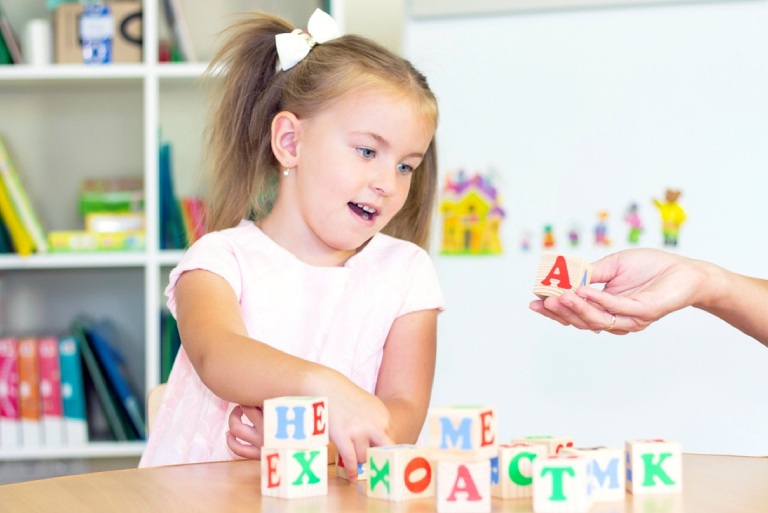
- While playing with blocks, say: “Let’s build a tall tower. What should we add next?”
These simple interactions turn everyday moments into language lessons.
Practical Strategies for Building Language Skills
Parents and educators can apply these techniques to build an environment rich in language:
- Read together daily
Reading aloud introduces new words and ideas. Choose books with colourful pictures and engaging stories. Pause to ask questions like “What do you think will happen next?” to spark conversation. - Narrate everyday activities
Describe what you are doing as you cook, clean, or shop. For example, “I’m washing the red apples. They feel smooth.” This helps children connect words to real-world experiences. - Encourage storytelling
Invite children to share stories about their day or invent characters and adventures. Storytelling builds vocabulary and strengthens imagination. - Sing songs and rhymes
Music makes language fun. Rhymes teach rhythm and sound patterns, which are essential for reading later on. - Limit screen time
While educational apps can be helpful, real conversations and hands-on play are far more effective for language development.
Creating a Language-rich Environment
A language-rich environment is one where words are everywhere: spoken, read, and written. Display labels on classroom items, keep books within reach, and provide opportunities for group discussions. Encourage curiosity by introducing new topics and vocabulary regularly. Most importantly, make communication positive and engaging so children feel confident expressing themselves.
Why Academy Canada Stands Out
If you are passionate about helping children thrive, Academy Canada offers programs designed to give you the skills and knowledge you need. Our childcare training in Corner Brook and online early childhood education program in Newfoundland combine theory with hands-on experience, preparing you for a rewarding career in early learning.
You will learn:
- how to foster language growth through interactive play and meaningful conversation
- strategies for creating inclusive, language-rich environments
- techniques for guiding children through key developmental milestones
With flexible learning options and experienced instructors, Academy Canada makes it easy to start your journey toward a meaningful career.
Childcare Training in Corner Brook
Language development is a vital component of early childhood education. By enrolling in our programs, you can play a vital role in helping children build strong communication skills that will serve them for life. Visit Academy Canada’s Early Childhood Education page to learn more and apply today.